
CBAM in Practice: From Compliance Requirement to Strategic Investment Signal
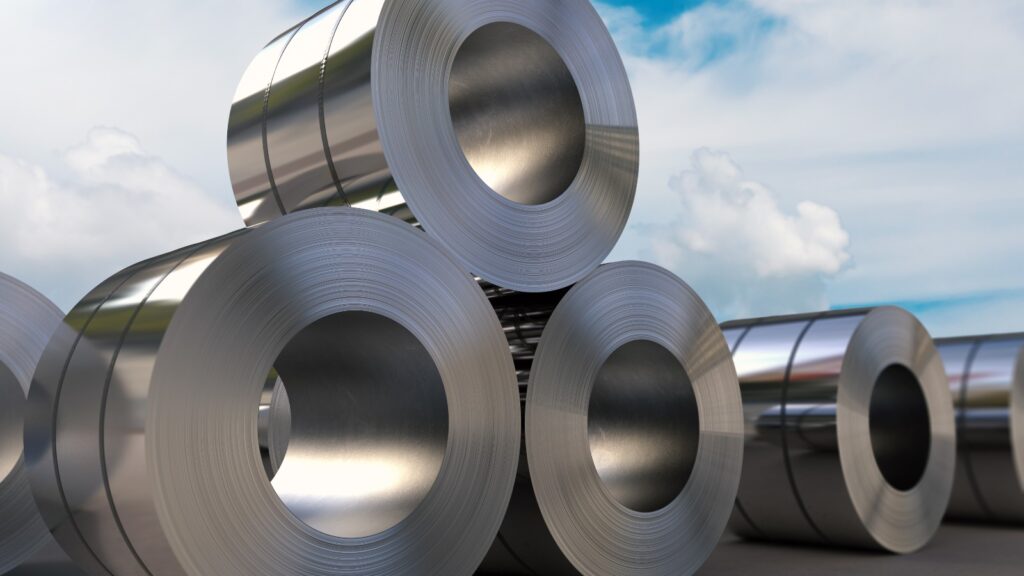
Introduction The Carbon Border Adjustment Mechanism (CBAM) is no longer just a regulatory concept- it is rapidly becoming a defining force in global trade and industrial transformation. Introduced by the European Union, CBAM was designed to extend the EU’s carbon pricing framework beyond its borders. By aligning import costs with the EU Emissions Trading System, it ensures that carbon-intensive goods entering the EU reflect their true environmental cost. But as CBAM transitions into full implementation from 2026, the real question is no longer what CBAM is- it is how effectively it will function in practice, and what signals it sends to global industries. From Policy Design to Market Reality CBAM was introduced to address one critical issue: carbon leakage- the relocation of production to regions with weaker environmental regulations. By applying a carbon price to imports, the EU seeks to create a level playing field between domestic and foreign producers. However, CBAM is more than a border measure. It is a mechanism that extends the reach of carbon pricing globally, influencing how companies design supply chains, allocate capital, and plan long-term investments. As implementation progresses, CBAM is increasingly shaping market behavior rather than just compliance requirements. Credibility: The Foundation of CBAM’s Success For CBAM to deliver its intended impact, credibility is critical. A system that accurately reflects emissions, applies consistent rules, and prevents manipulation will provide businesses with the confidence needed to invest in low-carbon technologies. On the other hand, weak enforcement risks creating distortions rather than solutions. Key concerns include: • Misrepresentation of emissions data • Inconsistent application across regions • Lack of robust verification systems Without strong governance, CBAM risks becoming a formal compliance exercise without real environmental impact. The Investment Signal CBAM is increasingly being viewed not as a tax- but as an investment signal. By linking import costs directly to carbon intensity, it sends a clear message: Low-carbon production will define future competitiveness. Industries with high emissions- such as cement, steel, and aluminium- are particularly affected. These sectors require: • Long-term capital investments • Stable policy frameworks • Predictable carbon pricing If CBAM is implemented effectively, it will: • Accelerate clean technology adoption • Drive innovation in industrial processes • Redirect global capital toward sustainable production Research also indicates that CBAM can influence investment strategies and encourage green industrial expansion. Challenges in Practical Implementation While the policy intent is clear, execution remains complex. 1. Data and Measurement Challenges Accurate calculation of embedded emissions remains one of the biggest hurdles. Businesses must gather data across complex supply chains, often with limited transparency. 2. Risk of Circumvention Practices such as resource shuffling—where low-carbon products are exported to the EU while high-carbon production continues elsewhere—can undermine the system’s integrity. 3. Administrative Complexity CBAM introduces new layers of: • Reporting • Verification • Regulatory compliance Many companies are still relying on fragmented systems, making compliance inefficient and error-prone. 4. Global Trade Tensions CBAM has also triggered concerns among developing economies, which view it as a trade barrier rather than a climate solution. The Export Challenge One of the most debated aspects of CBAM is its impact on exports. While imports into the EU are subject to carbon pricing, exporters from the EU may still face: • Higher production costs • Reduced global competitiveness Without mechanisms to address this imbalance, there is a risk of: • Production shifting outside Europe • Loss of industrial capacity A truly effective CBAM must therefore ensure a balanced approach between imports and exports. CBAM and the Broader Carbon Ecosystem CBAM does not operate in isolation. It is part of a broader climate policy framework anchored by the EU ETS. The interaction between these systems is crucial: • ETS drives internal decarbonization • CBAM extends carbon pricing globally Together, they form a coherent system that aligns environmental goals with economic incentives. Market Transformation and Global Impact CBAM is already reshaping global trade dynamics. It is: • Shifting demand toward low-carbon products • Encouraging exporters to adopt cleaner technologies • Influencing international climate policies Studies suggest CBAM can reduce emissions embedded in imports and shift trade toward cleaner production regions. More importantly, it is setting a precedent for carbon-based trade mechanisms worldwide. Looking Ahead: From Regulation to Transformation CBAM represents a turning point in how climate policy interacts with global trade. Its success will not be measured solely by compliance at the border, but by its ability to: • Drive real decarbonization • Support industrial transformation • Enable long-term investment in sustainable production If implemented effectively, CBAM will: • Redefine competitiveness • Reshape supply chains • Accelerate the transition to a low-carbon economy CBAM is no longer just a regulatory requirement- it is a strategic signal to global markets. It tells businesses that: • Carbon efficiency is becoming a core competitive advantage • Sustainability is now directly linked to profitability • Investment decisions must align with climate goals The companies that respond early will not just comply- they will lead. Call to Action Is your business ready for CBAM? From carbon footprint assessment to CBAM readiness and ESG strategy, the right approach today will define your competitiveness tomorrow. Connect with us to navigate CBAM and build a future-ready, low-carbon business
From Compliance to Strategy: How ESG and Carbon Footprint Accounting Are Redefining Business Value

Introduction Sustainability is no longer a peripheral concern- it is now at the core of business strategy. Across industries, organizations are being evaluated not only on financial performance but also on their environmental, social, and governance (ESG) impact. At the center of this transformation lies carbon footprint accounting- a critical tool that quantifies greenhouse gas emissions and translates sustainability commitments into measurable action. Together, ESG and carbon accounting are evolving from compliance requirements into strategic drivers of long-term value creation. From Reporting Obligation to Business Imperative ESG reporting was initially driven by regulatory pressure and stakeholder expectations. However, it has now become a key decision-making framework for investors, customers, and regulators. Frameworks such as the Global Reporting Initiative and the Task Force on Climate-related Financial Disclosures have standardized how companies disclose sustainability performance. At the same time, carbon footprint accounting- guided by the GHG Protocol- provides the technical foundation to measure emissions across: • Scope 1 (Direct emissions) • Scope 2 (Indirect energy emissions) • Scope 3 (Value chain emissions) What began as a reporting exercise has now become a business-critical function influencing strategy, investment, and operations. The Role of Carbon Footprint Accounting Carbon accounting is no longer just about measuring emissions- it is about understanding operational efficiency, risk exposure, and cost structures. By quantifying emissions, organizations can: • Identify emission hotspots • Optimize energy use • Reduce operational costs • Align with regulatory requirements More importantly, carbon footprint data serves as the backbone of ESG reporting, enabling companies to move from qualitative commitments to data-driven sustainability strategies. ESG as an Investment Signal Much like carbon pricing mechanisms, ESG performance is increasingly acting as a signal to investors and markets. Strong ESG performance indicates: • Lower regulatory risk • Better governance practices • Long-term resilience Investors are integrating ESG metrics into capital allocation decisions, making sustainability performance directly linked to: • Access to funding • Cost of capital • Market valuation In this context, carbon footprint accounting becomes a financial indicator, not just an environmental metric. Challenges in Practical Implementation Despite its importance, implementing ESG and carbon accounting systems remains complex. 1. Data Availability and Accuracy Organizations often struggle with: • Incomplete data across operations • Lack of supplier-level emissions data (Scope 3) • Inconsistent measurement methodologies 2. Integration Across Functions Sustainability data must be integrated with: • Finance • Operations • Procurement However, many companies still operate in data silos, limiting the effectiveness of ESG strategies. 3. Evolving Regulatory Landscape Global regulations are rapidly evolving, including: • Mandatory ESG disclosures • Climate-related financial reporting Keeping up with these changes requires continuous adaptation. 4. Resource and Capability Constraints Small and mid-sized companies often lack: • Technical expertise • Dedicated sustainability teams • Financial resources This creates a gap between ambition and execution. From Measurement to Transformation The real value of ESG and carbon accounting lies not in reporting- but in driving transformation. Organizations are increasingly using emissions data to: • Redesign supply chains • Invest in energy-efficient technologies • Shift toward renewable energy • Develop low-carbon products This transition marks a shift from reactive compliance to proactive strategy. Market Trends and Opportunities The rise of ESG and carbon accounting is creating new market dynamics. Growing Demand for Sustainability Services • ESG consulting • Carbon accounting platforms • Verification and assurance services Expansion of Carbon Markets Carbon accounting enables participation in: • Carbon credit markets • Renewable energy certificates • Net-zero initiatives Competitive Advantage Companies with strong ESG performance are gaining: • Brand value • Investor confidence • Customer preference Sustainability is becoming a differentiator in competitive markets. The Future of ESG and Carbon Accounting Looking ahead, ESG and carbon accounting will become even more integrated into business strategy. 1. Digital Transformation • AI-driven emissions tracking • Automated reporting systems • Real-time sustainability dashboards 2. Standardization and Transparency Global alignment of ESG standards will improve: • Comparability • Credibility • Investor confidence 3. Integration with Financial Systems Sustainability metrics will be embedded into: • Financial reporting • Risk management frameworks • Investment planning 4. Net-Zero Alignment Organizations will increasingly align operations with: • Science-based targets • Long-term decarbonization pathways A Strategic Roadmap for Businesses To stay competitive, organizations must take a structured approach: Short-Term • Conduct carbon footprint assessment • Establish baseline emissions • Begin ESG reporting Medium-Term • Implement MRV (Monitoring, Reporting, Verification) systems • Engage suppliers for Scope 3 data • Align with global ESG frameworks Long-Term • Invest in low-carbon technologies • Integrate sustainability into core strategy • Transition toward net-zero operations ESG and carbon footprint accounting are no longer optional- they are becoming fundamental to how businesses operate and compete. They provide: • Transparency • Accountability • Strategic direction Most importantly, they signal a shift where sustainability and profitability are no longer separate- they are interconnected. Organizations that embrace this shift will not only meet compliance requirements but also unlock long-term value and resilience. Call to Action Is your organization ready to lead in sustainability? From ESG strategy to carbon footprint assessment, the right approach today can define your success tomorrow. Connect with us to build a data-driven, future-ready sustainability strategy.
IRECs vs Carbon Credits: Why Renewable Energy Certificates Are Leading the Transition Today

Introduction As businesses accelerate their sustainability commitments, the demand for credible and scalable decarbonization tools has never been higher. Among the most widely used instruments are carbon credits and International Renewable Energy Certificates (IRECs). While both mechanisms support climate action, they serve fundamentally different purposes. In today’s rapidly evolving regulatory and market landscape, IRECs are increasingly emerging as a preferred and practical solution for organizations aiming to reduce their carbon footprint and meet ESG targets. The question is no longer whether to act- but which mechanism delivers real, measurable impact today. Understanding the Two Mechanisms Carbon Credits: Offsetting Emissions Carbon credits represent one metric ton of CO₂ equivalent reduced or removed from the atmosphere through projects such as: • Afforestation • Renewable energy • Methane capture These credits are part of global carbon markets and are governed by standards like Verra and Gold Standard. They are primarily used for: • Offsetting emissions • Achieving carbon neutrality • Supporting climate mitigation projects IRECs: Tracking Renewable Energy Consumption International REC Standard (IREC) represents proof that one megawatt-hour (MWh) of electricity has been generated from renewable sources such as: • Solar • Wind • Hydro IRECs allow companies to claim renewable energy usage, even when direct sourcing is not possible. The Shift in Market Preference Over the past few years, there has been a clear shift in how organizations approach sustainability. Rather than relying solely on offsets, companies are now prioritizing: • Direct emission reduction • Renewable energy adoption • Transparent ESG reporting This is where IRECs are gaining strong traction. Why IRECs Are Becoming the Preferred Choice Today 1. Alignment with Global ESG Frameworks IRECs are widely accepted under global frameworks such as: • GHG Protocol (Scope 2 accounting) • RE100 They enable companies to make credible claims on renewable electricity consumption, which is a key ESG metric. 2. Direct Impact on Scope 2 Emissions Unlike carbon credits, which offset emissions, IRECs directly address Scope 2 emissions (electricity consumption). This makes them: • More relevant for corporate carbon reduction strategies • Easier to integrate into sustainability reporting 3. High Transparency and Traceability IRECs are issued through verified registries and include: • Source of energy • Generation location • Technology type This ensures: • Clear audit trails • Reduced risk of double counting • Strong credibility in reporting 4. Immediate and Scalable Solution IRECs offer a ready-to-implement solution for companies that: • Cannot install on-site renewable energy • Operate across multiple geographies They allow organizations to: • Transition to renewable energy instantly • Scale sustainability efforts without infrastructure constraints 5. Increasing Regulatory and Market Acceptance With increasing focus on decarbonization over offsetting, IRECs are being favored in: • Corporate ESG disclosures • Sustainability-linked financing • Renewable energy commitments At the same time, some carbon credit standards have faced scrutiny regarding additionality and credibility, impacting market confidence. Limitations of Carbon Credits in Today’s Context While carbon credits remain important, they face several challenges: Credibility Concerns Questions around: • Additionality • Permanence • Verification have affected trust in some voluntary carbon markets. Regulatory Uncertainty Major standards like Verra and Gold Standard have tightened rules, leading to: • Reduced issuance • Increased scrutiny Not a Direct Reduction Tool Carbon credits: • Offset emissions rather than reduce them at source • Are increasingly viewed as a secondary strategy Market Trends: Where the Momentum Is The sustainability market is clearly evolving toward: • Renewable energy adoption • Electrification of operations • Decarbonization of supply chains IRECs play a central role in enabling this transition. Organizations are now prioritizing: • Renewable energy procurement • Scope 2 emission reduction • Transparent reporting This shift positions IRECs as a core instrument in corporate climate strategies. Strategic Use: IRECs and Carbon Credits Together Rather than choosing one over the other, leading organizations are adopting a layered approach: • IRECs → Reduce Scope 2 emissions • Carbon Credits → Offset residual emissions This ensures: • Real emission reduction • Balanced sustainability strategy • Strong ESG performance Future Outlook The future of sustainability instruments will be shaped by: • Increased regulatory oversight • Demand for transparency • Focus on real emission reductions IRECs are expected to: • Grow in adoption globally • Become integral to ESG reporting • Support renewable energy expansion Carbon credits will continue to play a role- but with higher quality standards and stricter governance. The sustainability landscape is shifting from offsetting emissions to actively reducing them. In this transition: • Carbon credits remain valuable • But IRECs provide a more direct, transparent, and scalable pathway to decarbonization IRECs are not just a compliance tool- they are a strategic enabler of clean energy transition. Organizations that prioritize renewable energy today will be better positioned for tomorrow’s low-carbon economy. Call to Action Ready to transition to renewable energy and strengthen your ESG strategy? From IREC procurement to carbon strategy and ESG reporting, the right approach can accelerate your sustainability journey. Connect with us to build a future-ready, low-carbon business.